


Can You Paint Vinyl Siding in Bellevue? The Honest Answer
Yes, you can paint vinyl siding, but only under specific conditions that most DIY videos and even some contractors skip right past.
That gap is where Bellevue homeowners get burned. Vinyl doesn't behave like wood or fiber cement, and treating it like a normal exterior surface is how people end up with warped, buckled panels a few months after the job.
Here's why this hits close to home locally:
- Much of Bellevue's housing stock went up between the 1980s and early 2000s, exactly when vinyl was the builder's default across the Eastside
- If your home is from that era, there's a strong chance vinyl is wrapping it right now
- By now it's probably looking chalky and sun-faded
- Neighborhoods like Lake Hills, Crossroads, and Newport all have pockets of this vintage vinyl
So the real question isn't just "can it be done." It's "should you paint yours, and how do you do it without ruining it?"
The short version:
- You can paint vinyl siding beautifully when the panels are healthy and you follow the rules below
- It fails fast when you don't
- Nearly every horror story, the peeling, the warping, the paint that lifts in sheets after one summer, traces back to one of three skipped steps
The honest answer to whether you can paint vinyl siding depends entirely on which of those two paths your panels are on. Let's break down what separates a ten-year paint job from a costly mistake.
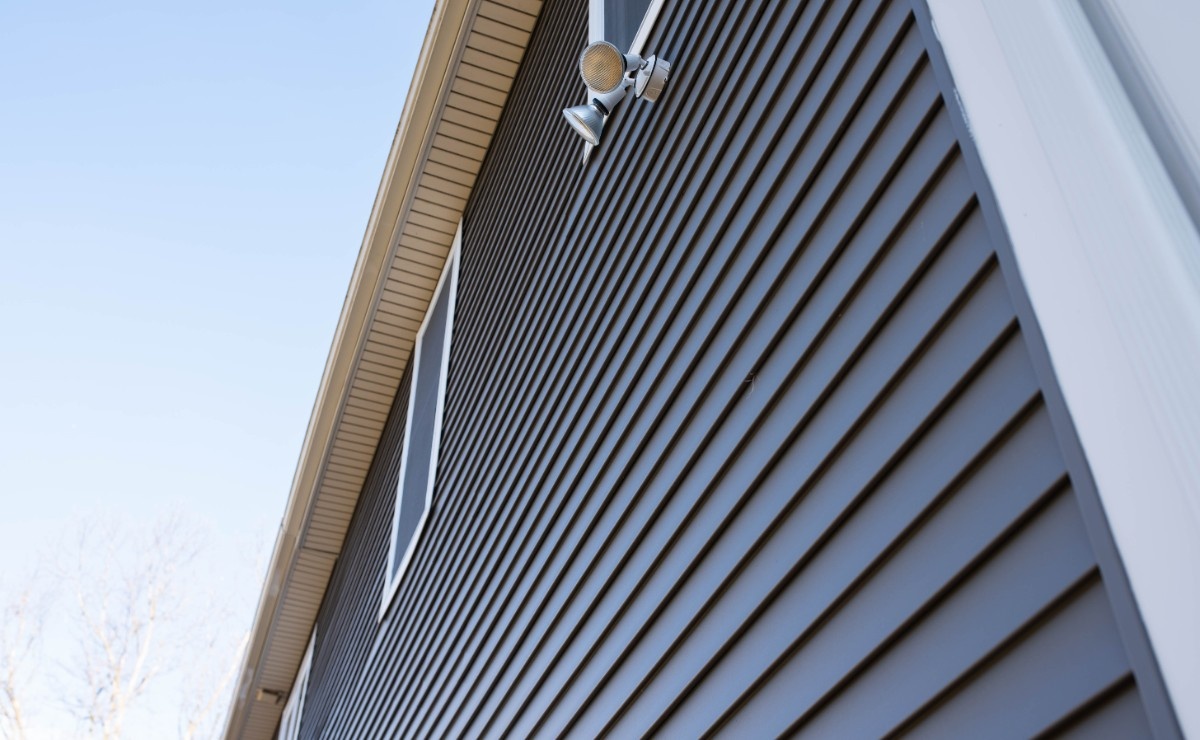
The Three Rules That Make or Break a Vinyl Paint Job
Vinyl is picky. These three rules aren't suggestions, they're the difference between siding that looks new for a decade and siding you'll be tearing off next summer.
Rule 1: Never Go Significantly Darker
This is the one that catches people. Vinyl expands and contracts with heat, and darker colors absorb far more of it. Paint your siding a deep navy or charcoal over a light beige, and those panels can warp, ripple, and pull away from the wall as they heat up. Worse, going too dark can void some manufacturers' warranties, since heat distortion from over-dark coatings is a failure many makers specifically exclude.
The working rule the pros use:
- The safe path is same-shade or lighter, never darker than the original
- Most vinyl-safe color programs require a Light Reflectance Value (LRV) of about 55 or higher, so the real danger zone is dropping below that floor
- Vinyl-safe paint lines use heat-reflective pigment technology that lets a handful of deeper shades pass, but only if they clear that LRV threshold
- When in doubt, matching or lightening your existing color is always the low-risk choice
If your heart is set on a dramatic dark exterior, vinyl paint is not your path. That's a replacement-and-swap conversation, not a paint one, and it's better to know that before the first drop cloth comes out than after your panels start rippling.
Rule 2: Choose the Best Paint for Vinyl Siding, Not Just Any Exterior Latex
Standard exterior latex will not cut it. The best paint for vinyl siding is a 100% acrylic latex specifically formulated for the material, engineered to flex with the panels and bond to that slick factory surface. Regular wall paint skips both jobs and peels.
Why the difference matters:
- Vinyl-specific paint flexes as panels expand and contract, so it doesn't crack
- It's built to grip the glossy, low-porosity vinyl surface that normal paint slides off
- Many formulas include vinyl-safe pigments that keep the finish within safe heat-absorption limits
This is where product choice earns its keep. HELLO Painting works closely with Sherwin-Williams, so the exterior vinyl paint we spec is built for this exact use and for the wet-then-dry swing our region throws at homes through the year. If you want to go deeper on what holds up locally, see our guide to the right exterior paint for our climate.
Rule 3: Pressure Wash Away the Chalk First
Older vinyl develops a powdery film called chalking as it oxidizes. Paint over that chalk and you're basically gluing your finish to dust, it will not hold.
Non-negotiable prep on vinyl looks like this:
- Full pressure wash to strip chalk, dirt, mildew, and pollen
- Complete drying before any paint touches the surface
- Spot-checking for loose or cracking sections while the siding is clean
- Rinsing off the mildew that Bellevue's damp, tree-shaded lots love to grow on north-facing walls
Skip this step and even the correct paint fails. On vinyl, prep isn't the boring part, it's the whole game. A rushed wash is the single most common reason a vinyl paint job in our area starts flaking within a year.
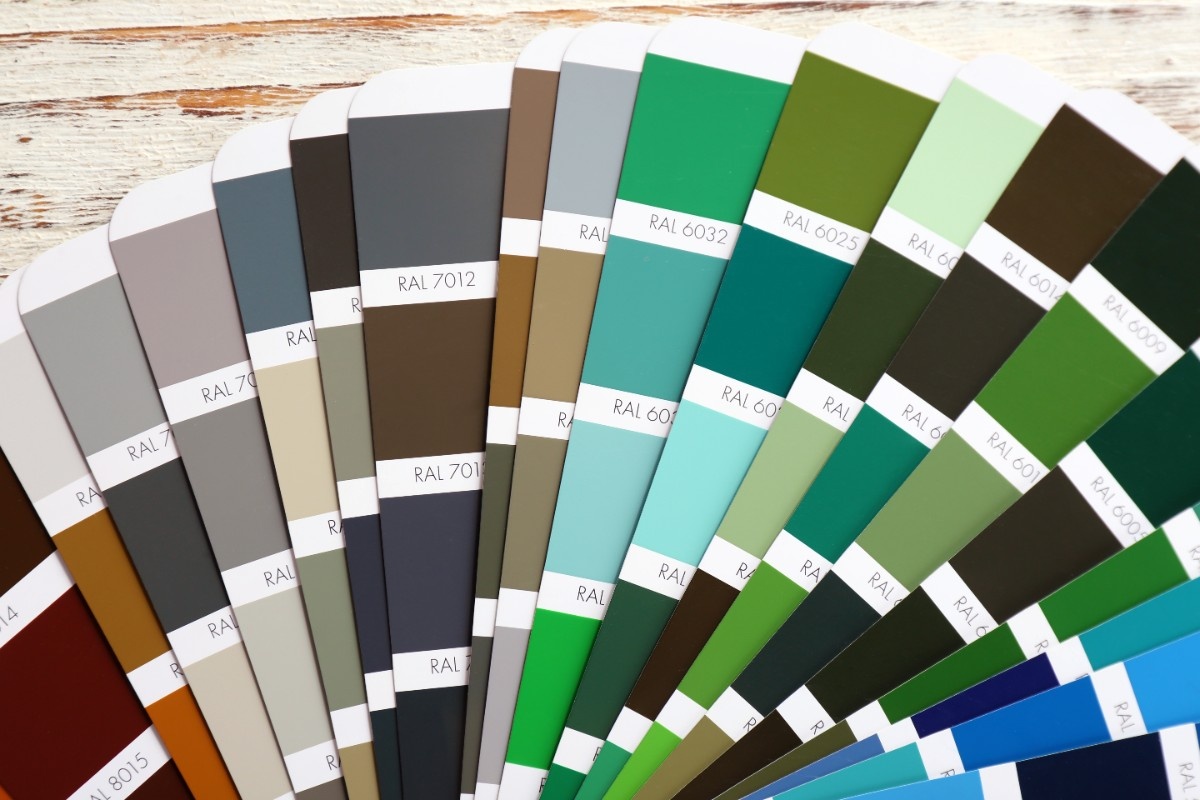
Vinyl Siding Paint Colors: What Actually Works Here
Because of the darker-color limit, your palette has real guardrails, but that's less restrictive than it sounds. Bellevue's soft, overcast light actually flatters the exact range vinyl paint handles best, muddy dark tones tend to fall flat under gray skies anyway.
Colors that work well on painted vinyl here:
- Warm whites and greiges that read clean under gray Pacific Northwest skies
- Soft taupes and light sages that lean current without going dark
- Mid-tone neutrals that stay within the LRV limit of your existing panels
- Cool light grays that pair naturally with the blues and greens of Eastside landscaping
One extra Bellevue-specific wrinkle: many Eastside neighborhoods and HOA-governed communities have exterior color guidelines, so it's worth confirming approved shades before you commit. Nothing stings like finishing a repaint only to get an HOA letter. If you want help pairing a body color with trim that still respects the vinyl rules, our color combination guide is a solid starting point.
When Painting Makes Sense (and When It Doesn't)
Painting only works on siding that's sound underneath. Paint refreshes color, it does not repair structure.
Good candidate for painting:
- Siding is intact, no cracks or warping
- Color has faded, oxidized, or gone chalky
- Panels are firmly attached and flexible
- You want an updated look for a fraction of replacement cost
Not a candidate, replace instead:
- Panels are brittle, cracked, or splitting
- Sections are already warped or buckled
- There's moisture damage or rot behind the siding
- Large areas are loose or missing
The line is simple: paint fixes looks, not integrity.
A quick field test tells you a lot. Press on a panel and flex a corner:
- Still gives and springs back? Likely a paint candidate.
- Stiff, cracks, or crumbles at the edge? It's gone brittle with age and UV exposure, and no coating will save it.
So is it worth painting vinyl siding? On faded but fundamentally solid panels, the answer to whether you can paint vinyl siding in Bellevue is a clear yes, and it's often the smartest money you'll spend on the house. Once the siding is genuinely failing, though, paint only delays the inevitable.
Painting Vinyl Siding Cost in Bellevue vs Replacing
Here's where the math gets convincing. In the Bellevue market:
- Painting vinyl siding cost: roughly $1.50 to $3.00 per square foot
- Replacing vinyl siding: roughly $4 to $12 per square foot
On a typical two-story Bellevue home, that spread adds up to several thousand dollars, sometimes more once tear-off, disposal, and labor stack onto a replacement quote.
That vinyl siding painting cost is why painting intact panels pencils out for so many Eastside homes, roughly half the price of a full replacement. When your siding is structurally fine and just tired-looking, painting delivers a near-new exterior at a fraction of the price, which is why painting vinyl siding vs replacing so often lands in favor of paint.
There's a resale angle too:
- A freshly painted exterior lifts curb appeal right when buyers form their first impression
- You skip the sticker shock of full replacement
- Replacement only earns its cost when the siding is genuinely compromised
Still torn between the two? Our companion piece runs the numbers across different siding materials, compare painting vinyl vs replacing siding before you decide.
Why Bellevue's Climate Works in Your Favor
Remember Rule 1, the thermal expansion problem? Our climate quietly softens it.
Bellevue's moderate temperatures make vinyl siding painting more viable here than in regions that bake through triple-digit summers. Painting over vinyl siding in the Pacific Northwest carries less warping risk for a simple reason:
- Our cooler, cloudier summers don't superheat the panels the way Arizona or Texas sun does
- Less surface heat means less expansion and contraction, the exact force that warps vinyl
- That gives vinyl paint a wider margin for error here than in hot climates
This doesn't cancel the darker-color rule, heat is still heat. But it does mean vinyl painting is a genuinely sensible option across the Eastside rather than a gamble.
The bigger local variable is actually moisture, not heat, which circles right back to why prep and a vinyl-rated acrylic matter so much here. It's one of those rare cases where our famously gray weather is a straight advantage.
For homes that need repairs and prep dialed in before color goes on, our exterior painting team handles the full sequence from wash to final coat.
The Bottom Line for Bellevue Homeowners
So, can you paint vinyl siding in Bellevue? Yes, and often you should. On sound, faded siding, it's a high-value, lower-cost alternative to replacement, as long as you respect the three rules: stay within the safe color range, use vinyl-specific acrylic paint, and pressure wash every trace of chalk before you start. Get those right, and our mild climate does the rest.
If you're looking at faded panels and wondering whether yours are a fit, that's exactly the kind of call worth having a local crew make in person. HELLO Painting has spent years painting Eastside exteriors and knows how Bellevue's vinyl, weather, and neighborhoods actually behave. Reach out to the team for a free, no-pressure estimate and get a straight answer on whether painting or replacing makes more sense for your home.
FAQs
Can you paint vinyl siding, or does it have to be replaced?
You can paint it as long as the panels are structurally sound. If the vinyl is faded or chalky but not cracked or warped, painting is a great option. If it's brittle, split, or buckling, replacement is the right call because paint won't restore integrity.
How long does painted vinyl siding last in the Pacific Northwest?
With proper prep and vinyl-specific acrylic paint, a quality job typically lasts around 7 to 10 years here. Our milder summers help the finish hold up, since less thermal stress means less expansion and contraction over time.
What happens if you paint vinyl siding a dark color?
Dark colors absorb more heat, and vinyl expands when it heats up. Going significantly darker than the original shade can cause panels to warp, ripple, or pull loose. Keeping the new color same-shade or lighter, and above the roughly 55 LRV floor that vinyl-safe programs use, avoids this.
Do you have to prime vinyl siding before painting?
Not always. If the siding is clean, dry, and in good shape, a quality 100% acrylic latex made for vinyl can often go on without separate primer. If there are bare or heavily weathered spots, a bonding primer built for vinyl is worth adding.
Is it cheaper to paint or replace vinyl siding in Bellevue?
Almost always cheaper to paint when the siding is intact. Painting runs about $1.50 to $3.00 per square foot locally, while replacement typically runs $4 to $12 per square foot. On sound panels, painting saves thousands.
Can you change vinyl siding to a completely different color?
Going the same shade or lighter is generally safe, though HOA color rules may still apply. You can go the same shade or lighter freely. You generally cannot go dramatically darker without risking heat warping, so a full light-to-dark transformation usually isn't safe on vinyl.
Should I paint vinyl siding myself or hire a Bellevue painter?
DIY is possible, but vinyl is unforgiving on prep and product choice, and mistakes show up as peeling or warping. A local pro gets the pressure washing, paint selection, and color limits right the first time, which protects the investment.
.svg%20fill.svg)


.jpg)


.svg)