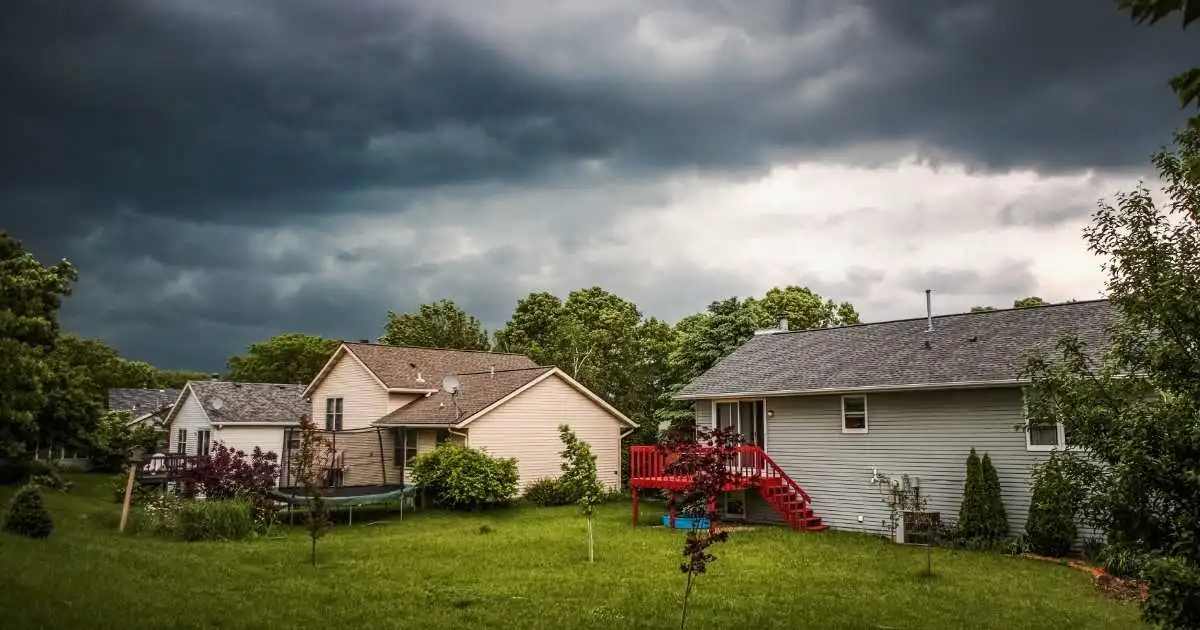
How does a board pay for, bid and schedule a community repaint without endless owner complaints? It starts with the reserve study and ends with a written plan. An HOA repaint is one of the biggest projects a homeowners association takes on, and most hard decisions happen before anyone hires a painter.
This guide is for HOA board members and the management company running the project. At HELLO Painting, our HOA painting work in Bellevue and across the Eastside starts with those decisions. Running professionally managed multifamily properties with no owner vote? Our apartment guide fits you better.
Is Your HOA Repaint Already in the Reserve Study?
In many associations, yes. Exterior paint is usually listed as a reserve component with its own useful life and a planned year. So the timing is often set years before the board collects a single bid.
What an HOA Reserve Study Tells Your Board
What is a reserve study for an HOA? It's a plan for the years ahead that lists major shared components, estimates how long each will last, and sets a funding schedule. Siding paint, trim, decks, railings and doors often appear as separate lines.
Read the paint line in your association's reserve study closely. It shows the planned repaint year, the planned funding from the reserve fund, and the cost assumption behind it. If prices or scope have changed since the last study, that assumption may be out of date. A cost assumption that's too low can also make the association's financial health look better on paper than it is.
Our guide to exterior painting costs in Bellevue explains what moves a project up or down. Access, building height, siding type, trim and paint grade all play a part.
When Budget Shortfalls Hit the Paint Line
Paint doesn't fail on a calendar. Rain, sun and moss can wear one side of a building faster than the rest. When the reserve fund can't cover the full job, common paths include phasing the work, raising regular HOA dues or levying a special assessment.
An HOA special assessment is a single extra charge to property owners for capital improvements or unexpected repairs the budget can't absorb. Your HOA's governing documents and state laws set how one is approved and whether owners can pay in installments. Talk to your reserve specialist and legal counsel before any vote.
Settle HOA Paint Colors Before You Request Bids
Approve the palette before bidding, not after. Colors can change the product list, the number of coats and even the prep. A late color change can make every bid out of date.
Your HOA rules and CC&Rs (covenants, conditions and restrictions) say who approves community colors. In some associations the HOA board decides. In others an architectural review committee recommends a palette, or owners vote. Some HOAs keep a preapproved list of color combinations that fit community standards. Follow your own documents and record board decisions in the meeting minutes.
If owners vote, include sample photos and the finalist colors with the meeting notice. Owners arrive informed, and the HOA board meeting stays focused on the decision.
We offer a free color consultation with Sherwin-Williams designers. We also suggest painting samples on one building and viewing them overnight before the board signs off.
This guide covers the palette for the whole community. For individual homeowner approval requests, such as an owner asking to change a front door color, see our HOA painting guidelines.
Why Do HOA Painting Bids Differ So Much?
Much of the gap usually comes from scope. One bidder may plan full prep and two coats, while another quotes one coat over light cleaning. Until every bid describes the same work, the totals can't be compared.
Write One Painting Scope of Work First
A painting scope of work is a written list of every surface, prep step and product the job includes. Send the same one to every bidder, often as part of an HOA request for proposal. Then each painting proposal answers the same question, and the HOA painting bids line up side by side.
A useful scope names surfaces building by building: siding, trim, fascia, doors, railings, posts and decks. It also says who clears patios, how windows are protected and how many coats each surface gets.
What to Compare on Every Bid
What to compareWhat to look forWhy bids differPrepSurface preparation: cleaning, scraping, sanding, recaulking, spot primingThin prep lowers a bid but shortens paint lifeCoatsNumber of finish coats on each surfaceOne coat and two coats are different jobsProduct lineA named product, not just "premium paint"Product grades differ in durability and priceInclusionsDoors, decks, railings, posts, fencesMissing surfaces turn into change orders laterWarrantyTerm in years, what it covers, in writingUnwritten terms are hard to enforce
Our own standard is two coats after full prep, Sherwin-Williams products and a 2-year written workmanship warranty. When comparing warranty terms between bids, ask what is covered and who honors the claim.
Can you negotiate HOA painting bids? Yes, but negotiate scope, not shortcuts. Ask bidders to price alternates, such as deck railings as a later phase. Our guide to comparing painting contractor estimates covers the rest.
Phasing Options: By Building, Elevation or Budget Year
Phasing splits a community repaint into smaller pieces so cost and disruption are spread out. There are three common ways to phase the work.
Phasing methodHow it worksBest forWatch out forBy buildingFinish one building, then move to the nextCondo associations with separate buildingsColor match between phasesBy elevationPaint the most weathered sides firstBuildings where one side wears fasterOwners living in a building that's only half paintedBy budget yearSplit the job across two or more fiscal yearsReserves that can't fund it all at oncePrice changes between years
For multibuilding exterior painting, we size the crew to each phase's scope. A townhome HOA with attached rows often phases by row, so each owner's home is done in one visit.
Whichever method you choose, lock colors and products for every phase at the start. A building painted next year should match the one painted this year.
Phasing by budget year can also help reduce or avoid an HOA special assessment, as long as the reserves fund each year's share.

Owner Communication That Keeps Complaints Off the Board's Desk
Repaint complaints often come from surprises rather than the painting itself. Give residents the schedule, the house rules and one contact person before crews arrive.
What to Tell Owners Before Work Starts
- Which buildings or rows get painted, and in which weeks
- Parking changes, including spots for crew vehicles and deliveries
- Patio and balcony clearing: plants, furniture, grills and decor
- Pets kept inside while crews work near doors and windows
- Which windows get masked, and when they reopen
- Who to call with questions, and how weather changes are announced
Check your documents for any required written notice period. Then send advance notice earlier than that minimum.
Keep Updates Flowing During the Work
On our projects, an onsite crew lead walks your contact through each day's work and the next day's plan. Your community manager can pass that along, so owners know what's next.
💡 Pro Tip: Post a calendar with each building's dates in the mailroom and on the community website. When rain shifts the plan, update it the same day.

What HOA Board Members Should Put in Writing
Before work starts, the board needs a signed contract that matches the approved scope, colors and schedule. Anything left out of writing can turn into a dispute later.
- The full painting scope of work, surface by surface
- Product names and colors for each surface
- Prep steps and the number of coats
- Phase order, start dates and daily work hours
- Payment schedule, including when the final payment is due
- Warranty term and what it covers
- License and insurance certificates
- How change orders are priced and approved
- One contact with authority to approve changes
Our post on what belongs in a painting service contract explains each item. Ask any HOA vendor for license and insurance details, since many associations require both. HELLO Painting is fully licensed and insured, and our painter's license is HELLOPL796MT.
If the board adds buildings partway through, the contract's terms for change orders should require a written price and an updated timeline before the work changes.
How HELLO Painting Runs a Community Repaint
Our process keeps the board informed about what's painted, what's next and what changes. It follows our standard exterior painting process, adjusted for phases and shared spaces.
- Free estimate and walkthrough. We meet with your board or manager to discuss scope and budget, then walk the community.
- Color consultation. You choose colors in a free color consultation with Sherwin-Williams designers.
- Crew size. We size the crew to each phase's scope.
- Prep and two coats. Each phase gets our standard prep (cleaning, scraping, sanding, recaulking and spot priming), then two coats of Sherwin-Williams paint. On cedar, a roller works the paint into the grain.
- Daily updates. Your dedicated project manager gives the board a clear timeline and daily updates, and an onsite crew lead walks your contact through each day's work and the next day's plan.
- Final walkthrough. We inspect the work with you, touch up any spots and deliver our 2-year written workmanship warranty.
On a condominium exterior in Sammamish, that meant cedar shingles, Hardie siding, wood windows, unit deck doors, posts and pillars. Every surface was finished with Sherwin-Williams paints.
Planning an HOA Repaint Around Puget Sound Weather
Schedule exterior work for the drier months and leave room for rain. In Eastside communities with cedar siding, shaded elevations tend to hold moisture longer, so they often need the most prep time.
When should the board start? Boards often collect bids during the rainy months, so colors and contracts are settled before dry weather arrives. That also gives owners time to plan around patio clearing.
Build flexible dates into the reserve plan and the contract, and agree in writing how weather delays are handled. Siding and trim also need to be dry before paint goes on, so plan a few buffer days into each phase.
Product choice matters here too. We recommend Sherwin-Williams Emerald Rain Refresh and Duration Exterior. Our exterior paint comparison covers how both hold up to rain, UV and fading.
Ready to Plan Your Community's Next Repaint?
A smooth HOA repaint is mostly decided in the boardroom, long before painting day. Start with the HOA reserve study, write one scope for every bidder, and approve colors before bidding. Then phase the work to fit the budget and tell owners what to expect.
If your community is in Bellevue, Sammamish or anywhere else we serve, we're glad to walk the property and common areas with your board. When you're ready, request a free estimate and get a detailed scope for every phase.
Frequently Asked Questions
How often should an HOA do a reserve study?
It depends on your state rules and governing documents. In Washington, state law (RCW 64.90.545) generally calls for an annual reserve study update, plus a professional update with a site inspection at least every third year, with some exceptions. Your reserve specialist can confirm what applies.
Can HOA reserves be used for painting?
In many associations, yes, when exterior paint is a listed reserve component funded by HOA fees. Check your governing documents and the HOA reserve study before the board spends reserve funds.
Does the HOA cover exterior painting?
It depends on how your documents split maintenance between the association and owners. Many condo associations paint exteriors, while some townhome HOAs leave it to homeowners.
How many bids should a board get for a community repaint?
Three is a common number, but the count matters less than the scope. Every bidder should price the same written scope so the totals compare fairly.
Who pays an HOA special assessment?
Owners pay it, usually split by the formula in the HOA documents. Boards often phase a repaint to reduce or avoid one.
What warranty should an HOA expect on a repaint?
Ask for the warranty term and its coverage in writing. Our work comes with a 2-year written workmanship warranty.