


Why Painting and Drywall Repair Almost Always Go Together
A bare wall looks fine with furniture in front of it. Empty the room, let the afternoon light rake across it, and suddenly you see every nail hole, scuff, and hairline crack. That's why drywall repair before painting Bellevue homeowners book is less of an "extra" and more of a normal first step in almost every interior project.
Think about what a lived-in Bellevue home actually collects over the years:
- Nail and anchor holes from picture frames, shelves, and TV mounts
- Dings and scuffs along hallways and stairwells
- Hairline settling cracks near door frames and window corners
- Torn paper or gouges left behind after pulling off switch plates or old fixtures
- Small gaps where trim meets the wall
None of that means your walls are in bad shape. It means they've been lived in. So the real question isn't whether painting and drywall repair belong together. They almost always do. The question is whether that repair work is written into your quote or quietly assumed and billed later.
That distinction is the whole reason this guide exists. A clear painting contractor tells you upfront. A vague one lets you find out after the invoice.
What Drywall Damage Looks Like in Bellevue Homes Specifically
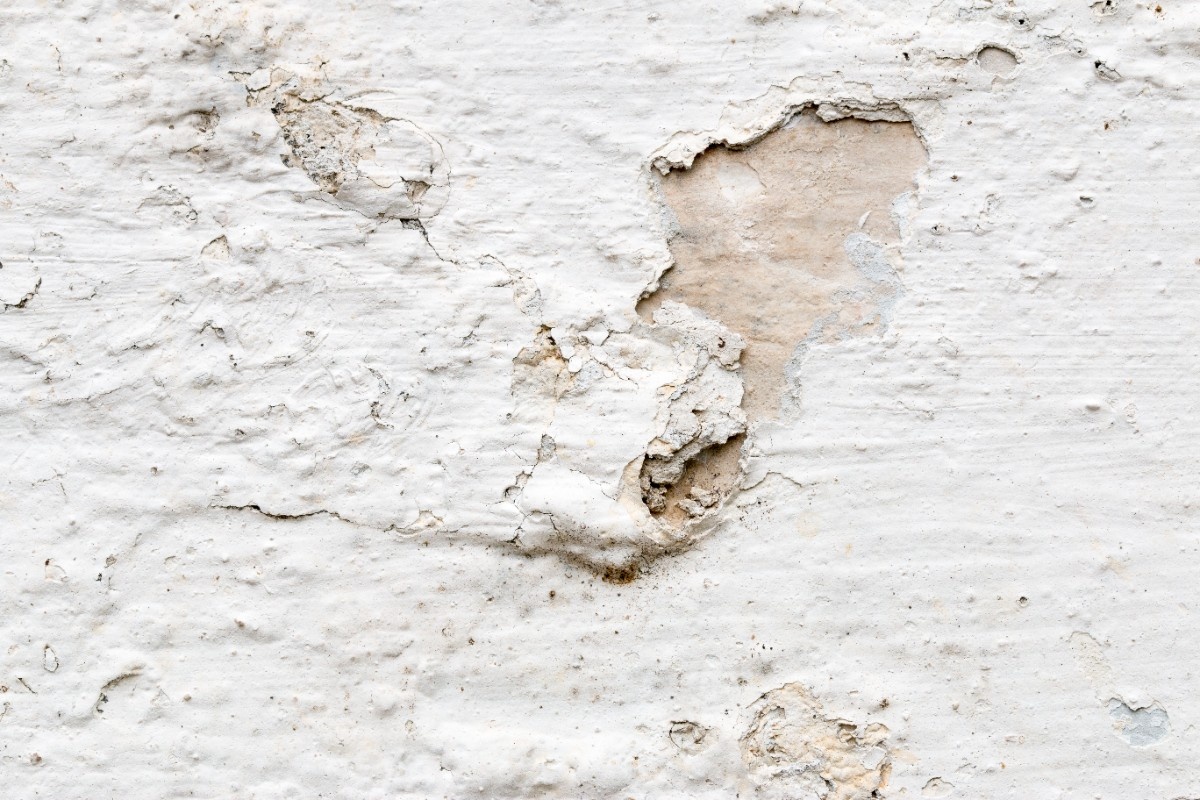
This is where our climate earns a mention. In the Pacific Northwest, the wet-then-dry humidity swing can work on drywall in ways drier climates don't, and that shows up in wall repair before painting.
Bellevue homes live through a real humidity swing every year. Damp winters push moisture into the framing and drywall, then summer dries everything back out. That constant expand-and-contract cycle works on your walls season after season, and older drywall tape is usually the first thing to give.
The result shows up as:
- Fine cracks running along tape joints, especially where the ceiling meets the wall
- Cracks that seem to reappear in the same spot every winter
- Nail pops where fasteners slowly back out of the studs
- Slightly lifted or bubbling tape seams in older ceilings
Homes in established neighborhoods like Lake Hills, Somerset, and Newport Hills, where the housing stock has some age on it, tend to show these tape-joint cracks more than newer builds out toward the Plateau. If you've patched the same crack twice and watched it return, you're not imagining it. That's PNW humidity cycling at work, and it's why patching walls before painting is often step one here rather than an afterthought.
A crew that hasn't worked PNW homes might just paint over a tape-joint crack and move on. One that has knows it'll be back by February.
Drywall Repair Scope: What's Standard vs. What Costs Extra
When it comes to repairing walls before painting, not every fix is created equal. Some are baked into a normal paint job. Others are a separate scope with their own materials, labor, and dry time. Knowing which is which keeps you from overpaying and keeps you from being blindsided.
Standard Repairs Included in Most Professional Quotes
These are the everyday drywall repair services a good painting contractor handles as part of prep. You generally shouldn't see them broken out as pricey add-ons:
- Filling nail holes and small anchor holes with spackling compound
- Smoothing minor dings, dents, and scuffs
- Sealing hairline settling cracks with joint compound
- Re-securing small sections of lifted or loose tape
- Caulking gaps where trim meets the wall
This is simply what surface prep means, and it's the difference between paint that looks flawless and paint that highlights every flaw underneath.
When You Need a Separate Drywall Repair Scope
Bigger problems are a different story. These usually get quoted on their own because they take real time, materials, and budget to do right:
- Holes larger than roughly 6 inches across, which need a backed drywall patch, not just filler
- Water-damaged or soft, spongy drywall requiring replacement
- Widespread cracking tied to foundation or structural damage
- A skim coat before painting when heavily textured walls are being smoothed flat for a smooth professional finish
- Sagging or bowing ceiling drywall
Needing this level of work doesn't mean your project is suddenly enormous. It just means the fix goes beyond quick patching, so an honest contractor prices it separately instead of hiding it. Water staining or a hole in the wall from a doorknob impact or worse should be its own line.
How Drywall Repair Before Painting Works: Patch, Sand, Prime
So what actually happens to a damaged spot before color goes on? The workflow is simple to say and easy to get wrong, which is why it's worth understanding. Good drywall repair before painting in Bellevue follows these steps in order.
Patch
The damaged area gets filled with joint compound or a patch, built up in thin layers so it sits flush with the surrounding wall. Larger holes get backing or self adhesive mesh tape first so the patch has something to grab. Use a putty knife to apply the spackling compound evenly and remove excess compound for a uniform surface.
Sand
Once the compound is completely dry, it's sanded smooth with fine grit sandpaper or a sanding sponge until you can't feel the transition between the repair and the original wall. Rush this and you'll see every edge later.
Prime
This is the step amateurs skip and pros never do. Bare patched compound soaks up paint differently than the rest of the wall. Without primer, those repaired areas dry to a different sheen, a problem called flashing, where the patch looks dull or shiny compared to everything around it. A skim coat primer or PVA primer seals the repair so the finish coat lands even and uniform, helping paint adhere properly.
That priming step is exactly why "just paint over it" fails. Whether you're dealing with hole in wall repair or a whole wall of minor patches, skipping primer means the repairs telegraph through the topcoat in the wrong light.
The same care applies to other prep-heavy work too. Similar prep work is involved in popcorn removal, where the surface has to be sound and sealed before anything new goes on. If you want the complete picture of what happens before the brushes come out, here's a full interior prep overview.
What Drywall Repair and Paint Cost in a Bellevue Project
Let's talk numbers, because for drywall repair Bellevue homeowners planning a paint job, this is what everyone actually wants to know.
Because the crew is already on-site and set up, basic patching folded into a paint project adds roughly $75 to $300 to a typical interior room quote, depending on how many repairs there are and how big they are. A couple of nail holes barely moves the needle. A wall with a dozen anchor points, a few cracks, and a patch or two lands higher.
What pushes the number up or down:
- The count and size of individual repairs
- Whether the wall has texture that needs matching
- Ceilings versus walls, since ceilings are slower and more awkward to work on
- How much priming the repaired areas need before the finish coat
- Whether a skim coat is required to smooth things flat for a smooth finish
The key shift: this is part of your paint quote, not a separate drywall invoice from another trade. With one crew handling repair and paint, you're not juggling two contractors or paying two mobilization fees. If you're budgeting the bigger picture, see what interior painting costs across a whole house so you know what's bundled in.
Priced this way, drywall repair before painting in Bellevue stops being a mystery add-on and becomes a predictable part of your total.
How a Bellevue Painting Contractor Handles Drywall Repair the Right Way
Here's what separates a smooth project from a frustrating one: timing.
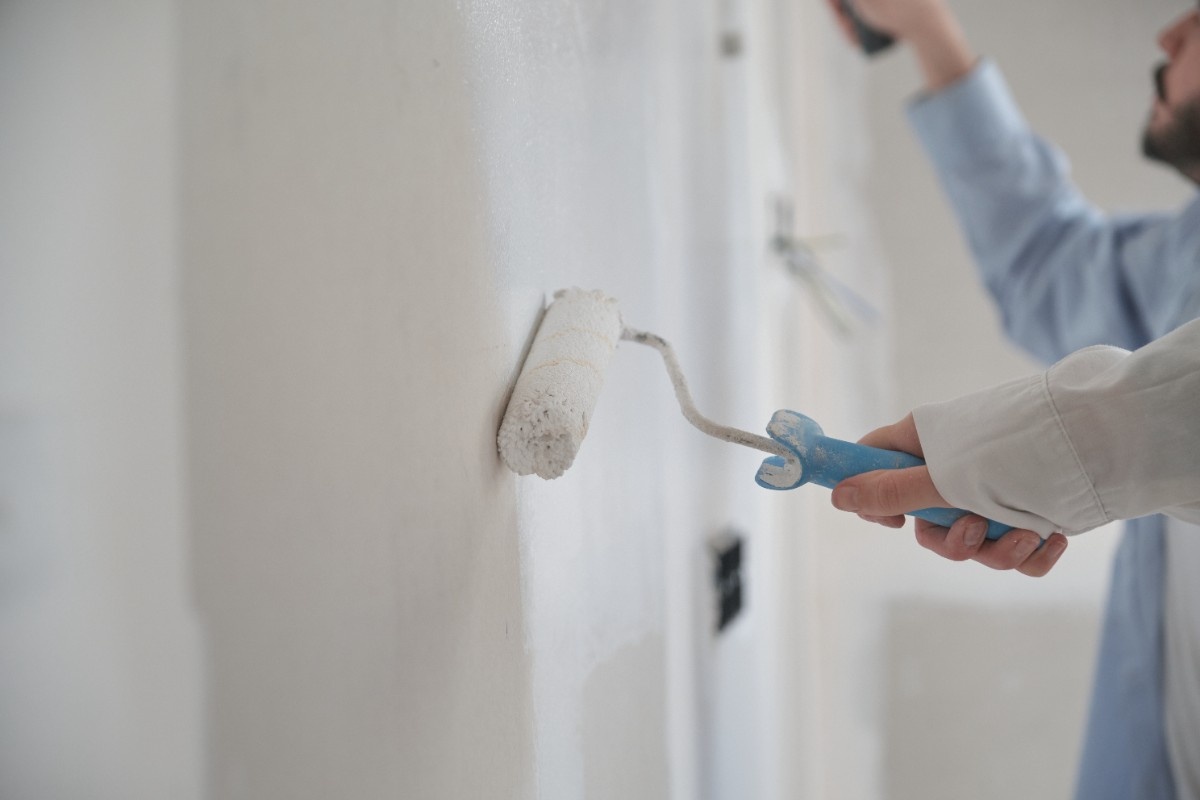
Hiring one drywall and painting contractor, rather than juggling two trades, means repairs get caught during the estimate, not mid-job. A contractor who actually walks your space before quoting will spot the cracks, the soft spots, and the old anchor holes while there's still time to price them honestly. The wrong way is discovering "surprise" repairs mid-project and adding charges you never agreed to.
This is exactly how we work at HELLO Painting. Our interior painting process reviews the scope during the estimate, then handles holes, cracks, and nail pops during prep, so repairs happen before the first coat rather than getting discovered after. We build that review in on purpose. It keeps your budget intact and your timeline realistic, and it means the drywall repair before painting in Bellevue homes require is accounted for from day one.
A few things a solid pre-paint walkthrough should cover:
- Every wall and ceiling checked for cracks, holes, and soft spots
- Repairs flagged and explained in plain language
- Standard patching separated clearly from any larger repair scope
- Priming needs noted so nothing flashes through later
When that homework happens upfront, painting and drywall repair become one clear line of work instead of two unknowns you're bracing for.
The Bottom Line on Drywall Repair Before Your Paint Job
Some level of drywall work is nearly always part of interior painting in Bellevue. The small stuff, like nail holes, dings, and settling cracks, is usually built right into a professional quote. The bigger stuff, like large holes, water damage, or a full skim coat, gets scoped separately. And thanks to our wet-then-dry PNW seasons, tape-joint cracks show up here more than they do in drier climates, so it pays to expect a little repair rather than be surprised by it.
The move that saves you money and headaches is simple: confirm what's covered before the work starts.
At HELLO Painting, surface prep and minor repairs are built into how we approach every interior project, so nothing slips through before the color goes on. If your Bellevue walls are carrying a few nail holes, a stubborn winter crack, or a patch that needs doing right, reach out for a free estimate and we'll walk your space, point out any repair needs honestly, and hand you a clear quote with no guesswork. Whenever you're ready to get started, give our local crew a call and we'll take it from there.
FAQs
Is drywall repair included when I hire a painter in Bellevue?
Minor repairs like nail holes and small settling cracks are usually included as part of standard prep. Larger damage, such as big holes or water-damaged drywall, is typically a separate line item. Always confirm exactly what's in your written scope before work begins.
How much does drywall repair and paint cost together?
When minor patching is folded into a painting project, it commonly adds $75 to $300 to the room's quote, since the crew is already there. Standalone drywall repair booked on its own runs higher, often $150 to $600, because of separate trip minimums, materials, and dry time. Extensive damage or a full skim coat costs more still.
Why do my Bellevue walls keep cracking in the same spots?
Pacific Northwest humidity swings cause homes to expand in wet winters and contract in drier summers. That seasonal movement reopens hairline cracks along older drywall tape joints, which is why the same crack often returns near ceilings and door frames each year.
Do I need a separate contractor for drywall repair before painting?
Usually not. Most painting contractors handle standard patching, sanding, and priming as part of the painting process. Only major structural issues or significant water damage might call for a specialist before the painting crew steps in.
What is a skim coat and do I need one before painting?
A skim coat is a thin layer of joint compound spread across a wall to smooth it flat. You'd mainly need one when smoothing heavy texture down to a flat finish or repairing widespread surface damage, not for ordinary nail holes and minor dings.
How do painters keep repaired spots from showing through the paint?
They prime the patched areas with a PVA or skim coat primer before applying the finish coat. This prevents flashing, the sheen difference where a bare repair dries duller or shinier than the surrounding wall and shows through the paint in certain light.
Can you patch a large hole in the wall, or does it need replacing?
Small holes are patched with compound and mesh tape. Medium holes, roughly 6 to 12 inches, usually need a cut drywall patch backed with furring strips. Holes larger than about 12 inches, or areas with water damage, often need a fresh section of drywall installed.
How long does drywall repair add to a painting project?
Minor patching usually fits within normal prep and adds little time. Larger repairs or a skim coat need extra drying time between steps and can add a day or more to the overall schedule.
.svg%20fill.svg)


.jpg)


.svg)