


A fresh paint job can quickly change how your home looks and feels. Scuffed walls look cleaner, colors feel brighter, and the space feels more put together without a full renovation. Even small updates, inside or out, can help protect surfaces and keep your home looking well maintained.
Once you’re ready to repaint, the bigger decision isn’t the color—it’s the approach. Many homeowners weigh DIY house painting vs hiring a contractor, comparing what fits their budget, schedule, and skill level. Each option has trade-offs, so knowing what to expect helps you choose with confidence.
Let’s break down what each path involves so we can decide which one fits your home best.
DIY House Painting
.jpg)
We know DIY house painting can be rewarding for small projects, but it often takes careful prep and the right tools to get the results you want.
Planning and Prep
When you take on a painting project yourself, most of the effort actually happens before you open the paint can. An effective DIY painting a house begins with proper preparation. This typically involves:
- Moving or covering furniture
- Cleaning walls or siding to remove dirt and loose paint
- Patching nail holes, small holes, or cracks with caulk or filler
- Sanding rough areas with a sponge or sanding block for a smooth surface
- Taping edges and trim with painter's tape to ensure a straight line
- Protecting floors and landscaping with drop cloths
Skipping these steps can lead to uneven coverage or peeling later on. Whether you’re repainting one room or tackling the whole house, good prep work sets the foundation for a better finish.
Interior vs Exterior Projects
Interior spaces are usually the easiest place to start with DIY room painting. Bedrooms, offices, or small living areas feel manageable and let you practice basic house painting techniques like cutting in along trim, rolling evenly, and applying thin coats for better coverage. Learning how to repaint a house interior first can build confidence before tackling bigger jobs.
Exterior work is more demanding. DIY exterior house painting means larger surfaces, weather changes, and ladders or scaffolding. Prep also takes longer, from scraping loose paint to washing and priming siding. A project that takes a weekend indoors can stretch into several weekends outside.
Costs, Time, and Pros/Cons
The main draw of DIY is saving money. DIY house painting cost typically covers supplies like paint, primer, brushes, rollers, tape, drop cloths, and occasional equipment rentals. A single room may cost a few hundred dollars, while larger interiors or exteriors cost more depending on size and condition.
Time is the challenge when doing DIY home repainting. Working on small spaces may take a day or two, but repainting a full home often takes several weekends once prep and drying time are factored in.
Pros of DIY:
- Potentially lower upfront costs
- Work on your own schedule
- Satisfaction of finishing the job yourself
Cons of DIY:
- More hands-on, physical work
- Bigger projects can take several weekends
- Results may vary if prep or technique is rushed
Hiring a Painting Contractor
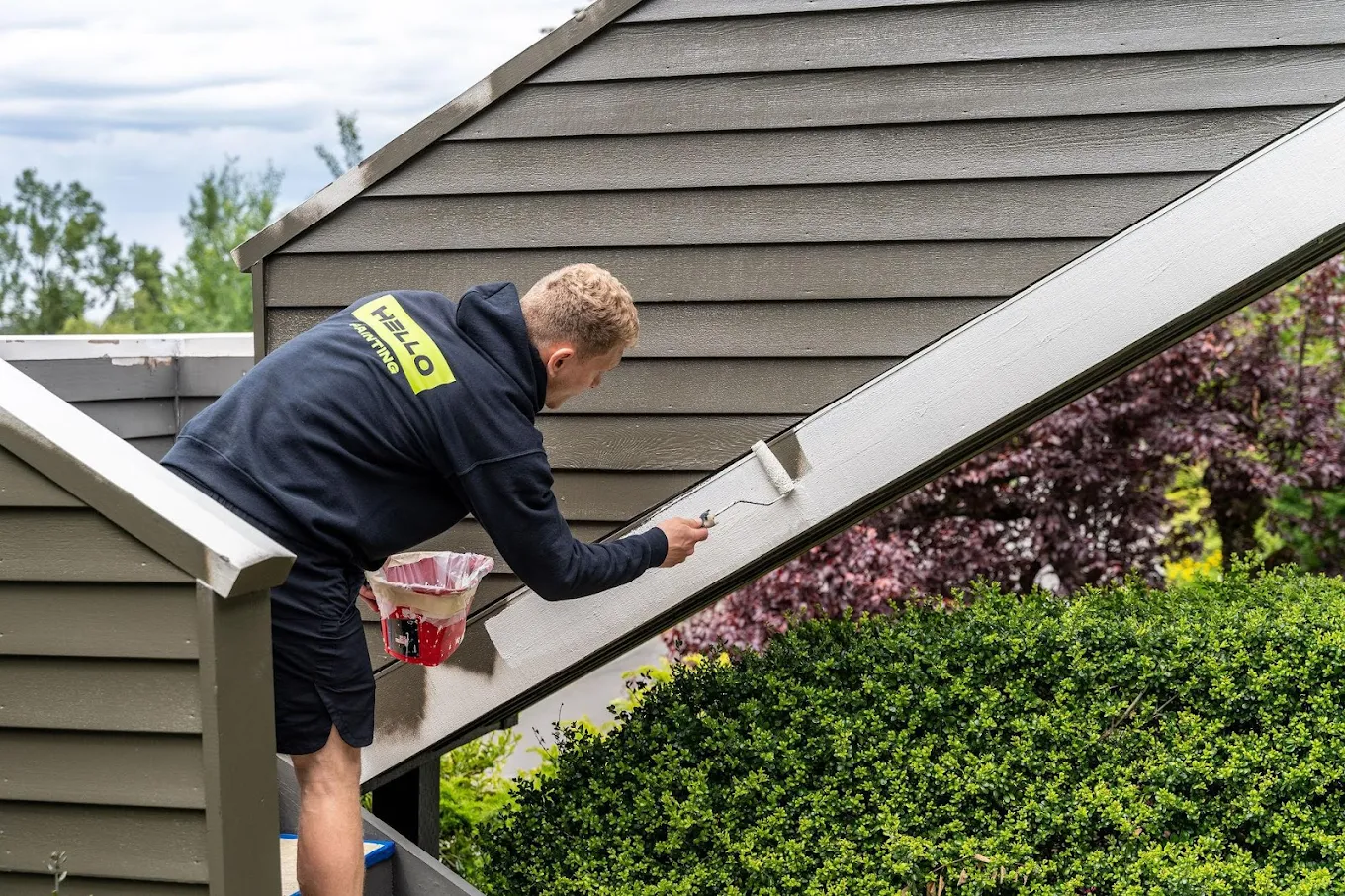
We manage every step, from prepping to cleaning up, to deliver a fast, even, and lasting finish for your home.
Prep and Process
When you hire a contractor, much of the hard work is handled for you. Most professional crews bring experience along with commercial-grade tools like sprayers and power rollers to speed things up and keep coverage even.
We typically take care of:
- Surface prep and minor repairs, including scraping loose or old paint
- Priming bare or patched spots
- Applying smooth, even coats (often two when needed)
- Cleanup and proper disposal of materials
This makes painting your home faster, safer, and far less hands-on. A multi-person crew can usually cover large interior and exterior projects more efficiently than doing it on your own.
Interior and Exterior Projects
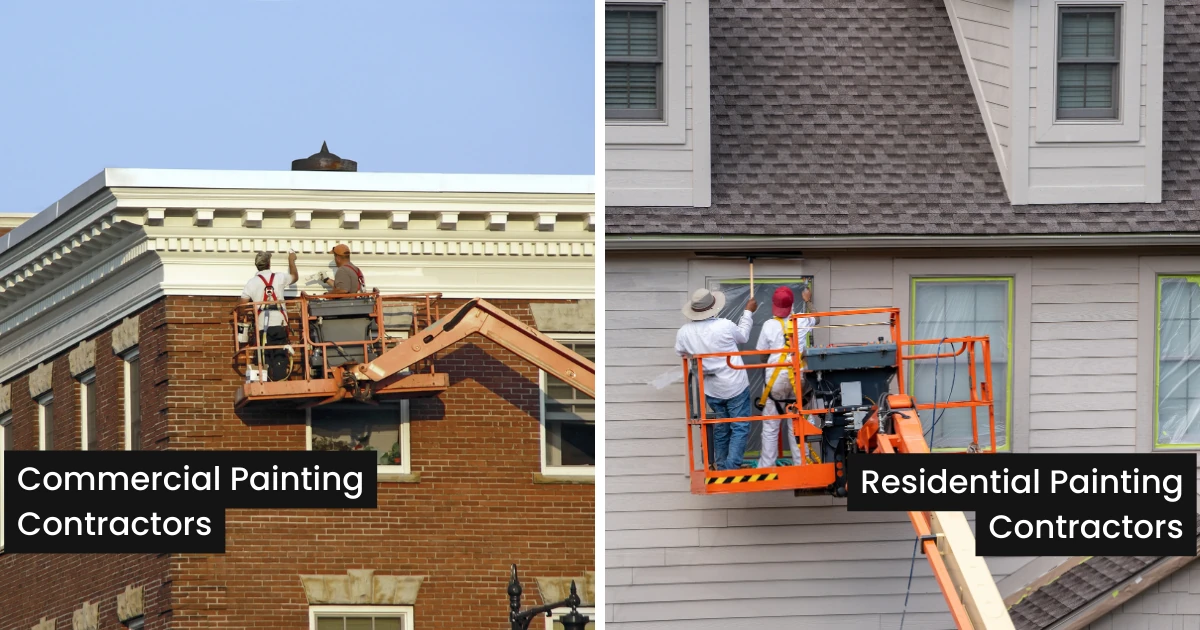
Contractors are especially efficient on bigger or complex jobs. Interior rooms can be painted quickly with minimal disruption to your routine, while exteriors are handled safely with ladders, scaffolding, and spray systems.
Professional painters can work on high ceilings, large walls, or siding that would challenge most DIYers. They often use high-quality paints from brands like Sherwin Williams, ensuring a smooth, lasting finish with the right gloss or semi gloss for doors and trim.
Costs and Pros/Cons
Hiring professionals usually costs more upfront since you’re paying for labor, equipment, and insurance coverage. Pricing varies depending on square footage, surface condition, prep work, and paint selection.
Interior painting may run a few dollars per square foot, while full exterior repaints can reach several thousand dollars depending on the home. Extra repairs or detailed prep can add to the total.
Pros of hiring a contractor:
- Faster completion in many cases
- More consistent, polished results
- Less physical strain and cleanup
- Safer for tall or hard-to-reach areas
Cons of hiring a contractor:
- Often higher upfront cost
- Less hands-on involvement
DIY vs Contractor: Side-by-Side Comparison
When deciding between house painting DIY and hiring a contractor, it helps to look at the main trade-offs. DIY projects can save money upfront but usually require more time, effort, and skill.
Hiring professionals often delivers a smoother, more consistent finish with less physical work, though it may come with higher costs.
Use these insights to weigh what matters most for your project, whether that’s saving time, managing expenses, or achieving a polished result.
Tips for a Successful Paint Job
Whether you go DIY or hire a contractor, a few tips for painting can make a big difference:
- Prep thoroughly: Clean, sand, and repair surfaces before painting.
- Choose quality tools: Good brushes and roller covers help achieve smooth, even coverage.
- Apply multiple thin coats: Instead of one thick layer, apply several thin coats for better results.
- Allow proper drying time: Let each coat dry fully before applying the next.
- Plan colors and finishes ahead: Consider DIY house painting ideas and stick to a cohesive color family for a polished look.
Following these tips on painting a room or full interiors and exteriors can often improve durability, coverage, and the overall appearance of your paint job.
Making the Right Choice for Your Home
Ask yourself three key questions:
- Budget: How much am I willing to spend upfront?
- Time: How much time can I dedicate?
- Comfort level: Do I enjoy hands-on projects, or do I prefer professional results with minimal effort?
For painting rooms for beginners or accent walls, DIY is practical. For full interiors, exterior projects, multi-story homes, or tight schedules, hiring a contractor may be the better choice.
Painting Made Simple: DIY or Pro?
DIY house painting can often be cost-effective and rewarding for smaller projects, while hiring a professional may save time, reduce stress, and help achieve a more polished finish, especially for larger or more complex jobs.
If you’re unsure which approach fits your home, we at HELLO Painting can guide you, provide clear estimates, and help you decide with confidence.
Need help getting your project started? Contact us today for a free consultation!
FAQs
1. Can I paint my house myself without experience?
Yes. Many homeowners start with smaller interior projects to practice basic prep, priming, and rolling techniques. Larger jobs, like full interiors or exterior projects, usually require more tools, time, and physical effort.
2. How much does it cost to paint a house DIY?
DIY costs usually cover materials like paint, brushes, rollers, tape, and drop cloths. A small room may cost a few hundred dollars, while larger interiors or exterior projects can run more depending on size and paint quality.
3. How long does DIY painting usually take?
A single room may take a day or two, including prep and drying, but timelines can vary depending on experience, number of coats, and surface conditions. Full interiors or exterior projects may take several weekends.
4. Is DIY exterior painting more challenging than interior work?
Often, yes. Exterior projects involve larger surfaces, ladders or scaffolding, weather considerations, and more prep work, which can make them more physically demanding and time-consuming.
5. What do professional painters include in their service?
Most contractors handle prep, minor repairs, priming, painting, and cleanup. Equipment is usually provided, and some quotes may include paint. A detailed estimate will clarify exactly what’s included for your project.
6. Are professional results worth the extra cost?
For many homeowners, yes. Professionals can save time, reduce physical strain, and often deliver a more consistent, polished finish, especially on large or complex projects.
7. How do I decide between DIY and hiring a contractor?
Consider your budget, time, and comfort with hands-on work. DIY often works well for small rooms or accent projects, while hiring a professional can be helpful for full interiors, exteriors, multi-story homes, or tight schedules.
.svg%20fill.svg)




.svg)